Paper gets lost
Forms filled out by hand are easy to delay, misplace, or leave unfinished when the team is moving fast.
weavix Digital Forms on Walt™ help teams replace paper-based workflows with fast digital submissions using voice, photos, video, or QR-based access from Walt, mobile, or web, so inspections, requests, reports, and observations are captured clearly, routed faster, and easier to act on.
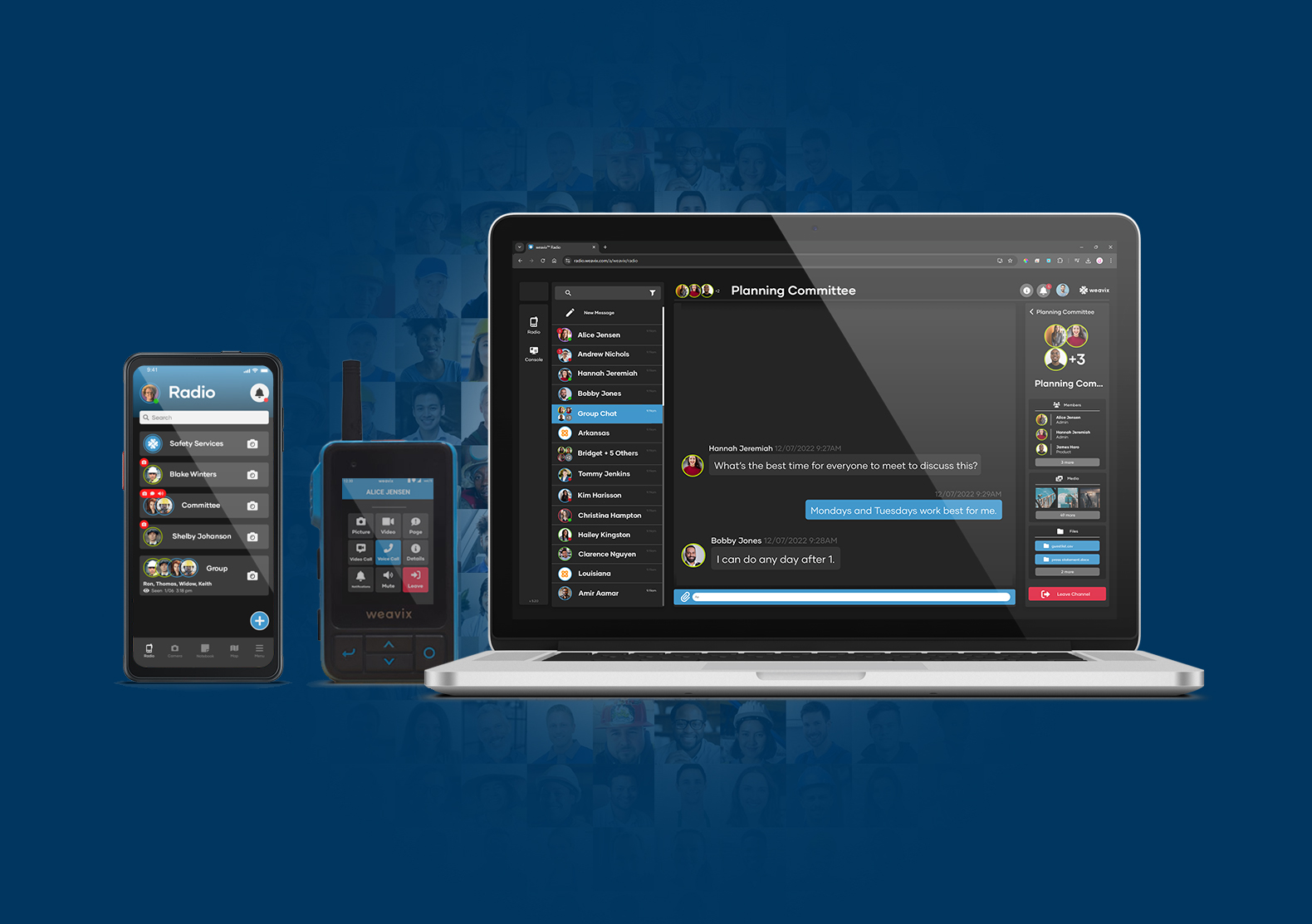
weavix Forms help teams collect structured input by voice, photo, video, and QR access, then move that submission forward with better routing and visibility.
Not because it does not matter, because submitting it is too cumbersome in the moment. Safety observations, equipment issues, inspections, and operational updates are often written on paper, remembered later, or never submitted at all.
Forms filled out by hand are easy to delay, misplace, or leave unfinished when the team is moving fast.
Verbal updates, messy notes, and incomplete records make it harder to review what happened or act on it quickly.
When teams have to chase the next step by memory or email, important issues move too slowly and accountability gets weaker.
weavix Forms help frontline teams capture structured input from the point of work using Walt, mobile, web, voice, photos, videos, and QR-based access.
This is not just digitization for its own sake. It is a faster way to capture the information operations teams actually depend on, without forcing workers back to paper, delayed data entry, or manual cleanup later.
Forms turn painful inspection forms, equipment forms, reports, and questionnaires into a field-ready process that is easier to complete, easier to review, and easier to act on.
Replace paper-based submission with a faster field workflow that captures the right input, keeps it organized, and makes the next step easier to manage.
Admins create custom forms for inspections, equipment requests, reports, audits, onboarding, feedback, and more.
Workers can speak responses into a form using push-to-talk, attach photos or videos, or scan a QR code to open the right form instantly.
Structured submissions move into the system, stay organized, and can trigger routing, tracking, reporting, or follow-up workflows.
From push-to-talk input to QR-based access and leadership review later, weavix Forms are built for the realities of frontline work, not just office-based data entry.
Let workers speak responses when typing is too slow or impractical.
Add proof and context to make submissions easier to understand and act on.
Open the right form instantly in the field without extra searching or delay.
Capture frontline information directly from the device workers already rely on.
Support workers and managers who need form access away from fixed stations.
Keep submissions visible and accessible beyond the point of capture.
Structured submissions can trigger routing, tracking, and reporting after submission.
Submitted forms remain organized so leaders can review what was captured later.
weavix Forms help teams capture better information in the moment and make that information more useful once it reaches the people responsible for acting on it.
When teams are moving fast, stopping to type long answers creates friction.
weavix Forms let workers speak responses into a form using push-to-talk.
Operational result: faster capture with less submission friction in the moment.
Paper forms and verbal updates can leave out important context.
Forms can include photos and videos so teams see what the worker saw.
Operational result: clearer submissions and better follow-through with less back-and-forth.
Workers should not have to hunt through menus when the task is right in front of them.
Forms can be turned into QR codes so the right workflow opens immediately.
Operational result: less friction at the point of work and faster form completion.
Some teams are on Walt, some on mobile, and leadership may review from the web.
Forms work across Walt, mobile, and web so the process stays connected.
Operational result: wider adoption and better continuity from submission to review.
If information sits in a queue, the operational problem is not solved.
Forms can work with workflow automation to trigger routing, tracking, and reporting.
Operational result: structured data becomes easier to move forward and easier to act on.
Better capture in the field leads to better records, clearer accountability, and stronger visibility once the information starts moving through the operation.
Reduce manual paperwork, delayed transcription, and the effort required to clean up field submissions later.
Keep structured records of what was submitted, what proof was attached, and what happened after submission.
Give teams and leaders a clearer view of frontline issues, reports, requests, and observations once they are captured.
weavix Forms help teams move from paper trails and verbal updates to structured frontline data that is easier to capture, easier to review, and easier to act on.
Forms support the kinds of frontline workflows teams already depend on, from inspections and maintenance requests to safety reporting and workforce feedback.
Turn recurring checklists and inspection forms into a faster digital process that is easier to complete in the field.
Capture issues clearly with structured fields, voice input, and photo context before they get lost in verbal follow-up.
Digitize routine reporting so frontline updates are organized from the start instead of being reconstructed later.
Use on-device forms to replace manual safety reporting processes and make near-miss documentation easier to submit and review.
Give workers an easier way to share observations, concerns, and operational input before those details disappear.
Standardize new-hire data capture and setup tasks without relying on disconnected paper packets.
Collect structured responses quickly when leaders need input from workers across shifts or departments.
Teams use weavix Forms to replace manual reporting, reduce administrative burden, and improve visibility in workflows where documentation and follow-through matter.
“Milwaukee Tool used on-device digital forms for safety reporting and near-miss documentation, helping replace manual processes, reduce administrative burden, and streamline compliance reporting.”Proof anchor based on Milwaukee Tool forms use case
Forms support the broader weavix story as well. Teams like Hanes point to the value of better connected communication across departments and stronger visibility for managers who do not always know exactly who is working in the moment.
Explore the connection between better reporting, better records, and faster safety action.
Resource placeholderSee how voice, device access, and connected communication support real frontline execution.
Resource placeholderLearn how Forms and workflow automation work together after a submission is made.
Resource placeholderweavix Forms help teams digitize paper-based workflows and basic questionnaires so frontline information can be captured as structured data instead of getting lost in paper trails or delayed follow-up.
Yes. Voice input is a core differentiator. Workers can speak responses into forms using push-to-talk, which is especially useful when typing is too slow in the field.
Yes. Forms can include photos and videos so submissions carry proof and operational context along with the structured response.
Yes. Forms can be turned into QR codes so workers can scan and open the right form immediately at the point of work.
Yes. Forms can be completed on Walt and mobile, then accessed later through the system by leadership and teams that need visibility.
Yes. Structured submissions can work with weavix workflow automation to support routing, tracking, reporting, and follow-up after the form is submitted.
Teams can build forms for inspections, equipment requests, reports, audits, maintenance tickets, feedback forms, onboarding forms, polls, surveys, and more.
weavix Forms help teams capture structured frontline information faster using voice, photos, video, and QR-based access, so critical updates stay organized, visible, and easier to act on.
Book a Demo